
An INR measurement indicates blood clotting time compared to an established laboratory standard. For someone not taking warfarin, a normal result ranges from 0.8 to 1.1. When taking warfarin, the therapeutic target range shifts higher to prevent thrombosis while managing bleeding risk.
What an INR Test Measures and Why It Is Needed
The term INR stands for international normalized ratio. It is calculated directly from prothrombin time (PT), which measures the seconds required for blood plasma to clot. Because different testing facilities historically relied on varying reagents, the World Health Organization introduced the standardized formula in 1983:
INR = (Patient PT / Mean PT)^ISI
The International Sensitivity Index (ISI) reflects the sensitivity of the reagent used. Prothrombin (Factor II) is one of several vitamin K-dependent clotting factors (Factors II, VII, IX, and X) targeted by warfarin.
Normal Ranges vs. Therapeutic Target Ranges
Expected ranges depend on clinical indication and medication status:
| Clinical Situation | Expected Range | Significance |
|---|---|---|
| Standard baseline (no warfarin) | 0.8 – 1.1 | Normal prothrombin time (11 to 13.5 seconds) |
| Standard therapeutic range | 2.0 – 3.0 | Target value of 2.5 |
| Mechanical mitral valve or high risk | 2.5 – 3.5 | Higher anticoagulation intensity required |
| On-X aortic valve (after 3 months) | 1.5 – 2.0 | Lower target combined with low-dose aspirin |
| Critical threshold | Above 5.5 | Immediate intervention required |
What Happens When Your Reading Drops Below Target?
When an INR drops below 2.0 during warfarin therapy, blood clots too quickly, increasing the risk of thrombosis and stroke. A reading of 1.9 is subtherapeutic for a standard target range of 2.0 to 3.0.
Common causes of a low INR include missed doses, increased intake of vitamin K-rich foods, or medications that reduce warfarin’s effect (such as carbamazepine or rifampicin). Isolated low readings in stable patients rarely lead to complications; a study of 1,080 patients showed a thromboembolic event rate of only 0.4% over 90 days. For a target range of 2.0 to 3.0 and an INR of 1.8 to 1.9, professional guidelines recommend a one-time 25% daily dose increase and a retest after 2 weeks. If the INR drops more than 0.5 below target, the risk of thromboembolism becomes clinically significant, and patients with mechanical heart valves may require bridging with low-molecular-weight heparin (LMWH).
Causes and Warning Signs of an Elevated Reading
An elevated INR indicates delayed clotting. Accidental excessive doses of warfarin, acute illnesses (infections, fever, diarrhea, or vomiting), alcohol consumption exceeding 1 to 2 drinks per day, or sudden reductions in dietary vitamin K can drive values upward. An elevated INR often produces no initial symptoms.
Warning signs of bleeding include:
- Pink or dark red urine
- Black, tarry stools
- Vomiting material resembling coffee grounds
- Nosebleeds lasting longer than 10 minutes
Call 999 or 911 immediately if signs of intracranial bleeding appear: sudden severe headache, neck stiffness, blurred vision, speech difficulties, signs of paralysis, or loss of consciousness.
If an INR reaches 5.0 to 8.0 without bleeding, clinical guidance recommends withholding 1 to 2 warfarin doses and reducing the maintenance dose. If the INR exceeds 8.0 without bleeding, warfarin is paused and phytomenadione (vitamin K) is administered orally or intravenously.
Dietary Consistency and Prescription Interactions
Warfarin inhibits the activation of vitamin K-dependent clotting factors II, VII, IX, and X, making consistent vitamin K intake essential. Vitamin K-rich foods include green leafy vegetables (spinach, kale, broccoli, Brussels sprouts), liver, egg yolks, avocado, kiwi, natto, and soybean or canola oil. The goal is steady daily intake rather than elimination. Cranberry juice and grapefruit juice enhance warfarin’s effect and should be avoided.
The British National Formulary lists 248 drug interactions with warfarin. Notable interactions include:
- Amiodarone: Significantly increases the effect of warfarin; this interaction persists for one month or longer after discontinuation.
- Antibiotics and Antifungals: All classes of antibiotics alter intestinal flora and vitamin K production, requiring an INR check 3 to 5 days after starting therapy. Quinolones, sulfonamides, and antifungals produce the strongest INR-elevating effect.
- NSAIDs: Nonsteroidal anti-inflammatory drugs like ibuprofen increase bleeding risk and should be avoided.
- St. John’s Wort: Accelerates warfarin clearance, lowering the INR and potentially leading to thrombosis.
Testing Procedure and Routine Monitoring Schedules
An INR test requires no fasting, though patients should avoid alcohol and fatty meals beforehand. Clinicians may temporarily pause medications such as aspirin, heparin, antihistamines, or vitamin C. For venous draws, blood is collected in a blue-cap citrate tube with a 5:1 plasma-to-citrate ratio. Samples must be processed within 2 hours at room temperature or within 4 hours if refrigerated.
INR monitoring occurs daily or every other day at the start of warfarin therapy. Once values stabilize, testing intervals extend to every 4 to 6 weeks, and up to 12 weeks for very stable patients. When an interacting drug is started or discontinued, an INR check is required after 3 to 5 days.
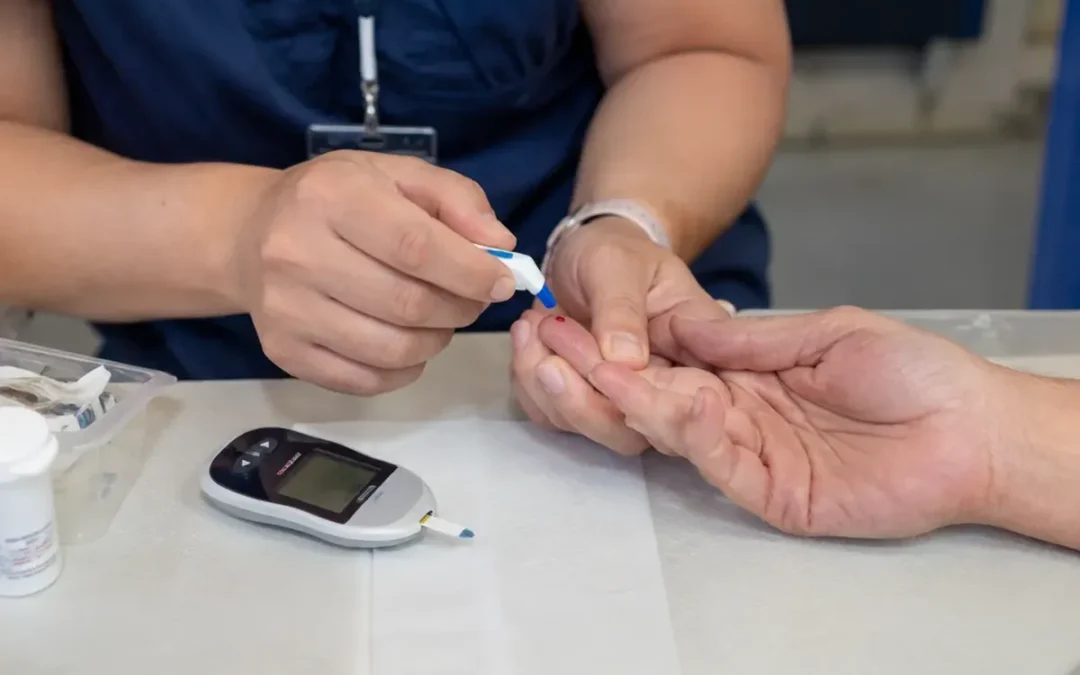
FDA-cleared home meters (such as CoaguChek XS, INRatio 2, or Coag-Sense) measure capillary blood from a fingerstick, delivering results in approximately one minute. Home self-testing should occur no more than once per week. Recommended technique includes warming the hand beforehand, avoiding the side of the ring finger, applying the blood drop within 15 seconds of the stick, and avoiding squeezing or milking the finger.
Myths vs. Medical Facts in Anticoagulation Care
- Myth: Direct oral anticoagulants require routine INR testing. DOACs (apixaban, rivaroxaban, edoxaban, dabigatran) have predictable effects and do not require routine INR monitoring. The INR test is calibrated for vitamin K antagonists and does not provide reliable dose-response assessment for DOACs. Apixaban has minimal effect on PT/INR, so a normal INR does not exclude significant apixaban levels. When switching from a DOAC to warfarin, the first INR check occurs 2 days after stopping the DOAC.
- Myth: Green vegetables must be avoided entirely. Total elimination is unnecessary; the recommendation is to maintain consistent daily vitamin K intake.
- Myth: An elevated INR always causes noticeable symptoms. An elevated INR often produces no symptoms initially, even when exceeding the critical threshold of 5.5, which is why regular monitoring is essential.
Frequently Asked Questions
What is the full form of INR?
INR stands for International Normalized Ratio. It is a standardized mathematical ratio calculated from prothrombin time to ensure that clotting test results remain comparable across different laboratories and reagents.
What are normal INR levels?
For an individual not taking warfarin, a normal INR is 0.8 to 1.1. For patients on warfarin, the standard therapeutic target range is typically 2.0 to 3.0.
Is an INR of 1.9 too high or too low?
For a standard target range of 2.0 to 3.0, an INR of 1.9 is subtherapeutic. Blood clots faster than desired, increasing the risk of thrombosis.
How often should INR be checked while taking warfarin?
At the start of therapy, testing occurs daily or every second day. Once stable, monitoring occurs every 4 to 6 weeks, or up to every 12 weeks in very stable patients.
How can you help keep your INR within its target range?
Maintain consistent day-to-day intake of vitamin K-rich foods, avoid alcohol and NSAIDs like ibuprofen, and have your INR checked 3 to 5 days after starting or discontinuing any interacting medication.