
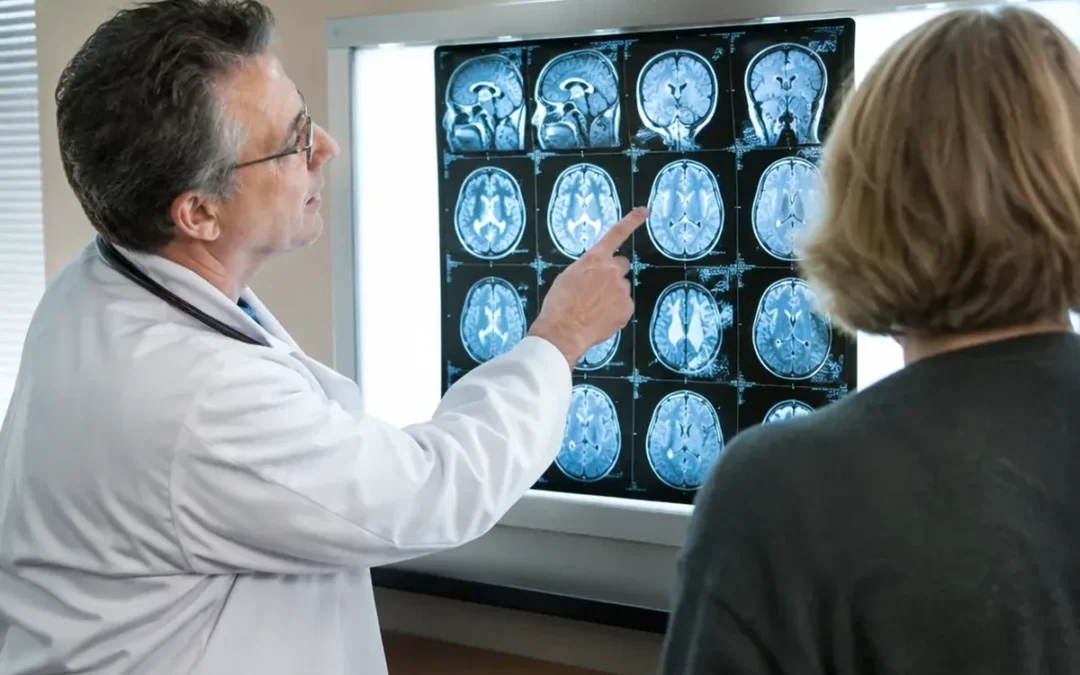
When someone experiences a sudden, temporary loss of speech, vision, or motor control that clears up within minutes, they may have just had a tia stroke. Formally known as a transient ischemic attack, this event is often referred to as a “mini-stroke.” While the symptoms vanish quickly and leave no lasting tissue damage, treating a TIA as a harmless event is dangerous: it is a critical warning sign that an impending full-blown stroke may occur.
What Is a TIA Stroke?
A transient ischemic attack (TIA) is defined as a brief episode of neurological dysfunction caused by focal ischemia in the brain, spinal cord, or retina without acute infarction on imaging. In the United States, approximately 240,000 people experience a TIA each year. During the episode, a temporary lack of blood flow deprives a specific part of the brain of oxygen. Unlike an ischemic stroke, which causes permanent tissue damage, the symptoms of a TIA resolve completely within minutes to hours, lasting no longer than 24 hours.
The term “mini-stroke” is misleading. A TIA is not necessarily small and can affect large areas of the brain; it simply leaves no permanent tissue damage visible on diffusion MRI.
Recognizing the Symptoms of a TIA: Act B.E.F.A.S.T.
Because a transient ischemic attack presents with symptoms nearly identical to an acute ischemic stroke, recognizing the warning signs early saves lives. During an acute episode, neither the patient nor a doctor can distinguish whether the event is a TIA or a progressing stroke. Health organizations recommend using the B.E.F.A.S.T. framework to identify critical warning signs:
- B – Balance: Sudden loss of balance or dizziness.
- E – Eyes: Sudden vision changes, double vision, or loss of sight in one or both eyes. A classic presentation is amaurosis fugax, a painless, temporary loss of vision in one eye often described as a shade or curtain descending.
- F – Face: Facial droop on one side of the face.
- A – Arms: Sudden weakness or paralysis in an arm or leg, typically affecting one side of the body (hemiplegia).
- S – Speech: Slurred speech (dysarthria) or difficulty understanding or producing language (aphasia).
- T – Time: Call 911 immediately. Every minute matters because an estimated 1.9 million neurons die every minute during an untreated stroke.
TIA vs. Full-Blown Stroke: What Is the Difference?
The fundamental distinction between a TIA and an ischemic stroke lies in symptom duration and imaging confirmation. Both conditions produce nearly identical initial symptoms, but their diagnostic findings differ:
| Feature | Transient Ischemic Attack (TIA) | Ischemic Stroke |
|---|---|---|
| Duration of Symptoms | Minutes to hours (maximum 24 hours) | Persistent; does not resolve on its own |
| Brain Damage | No permanent tissue damage visible on diffusion MRI | Leaves permanent tissue damage and visible acute infarction on diffusion MRI |
| Course of Event | Resolves spontaneously without lasting tissue infarction | Requires intervention to halt progressing tissue death |
| Acute Emergency Care | Requires immediate emergency medical attention (call 911) | Requires immediate emergency medical attention (call 911) |
| Subsequent Stroke Risk | Up to 20% experience a stroke within 90 days | Elevated risk of recurrent vascular events |
Why a TIA Is a Medical Emergency and the Real Risk of Stroke
Experiencing a TIA creates an immediate risk of a full-blown stroke. Roughly 1 in 3 individuals who have had a TIA will suffer a stroke in the future, with half of those events occurring within the first year. The danger is highest in the first few days: up to 20% of people with a TIA suffer a stroke within 90 days, and half of these strokes happen in the first two days (48 hours).
Furthermore, approximately 2 out of 5 patients presenting with suspected TIA symptoms already show evidence of tissue infarction on sensitive imaging, meaning they have sustained an ischemic stroke rather than an isolated transient episode. Having a previous TIA increases the risk of stroke nearly tenfold compared to peers of the same age.
Evaluating Your Early Risk: The ABCD2 Score
Physicians use the ABCD2 score to estimate the early risk of stroke following a clinically diagnosed TIA. The score assigns up to 7 points across five clinical parameters:
- Age: 60 years or older (1 point).
- Blood Pressure: Systolic blood pressure ≥ 140 mmHg or diastolic ≥ 90 mmHg (1 point).
- Clinical Features: Unilateral weakness (2 points) or speech disturbance without weakness (1 point).
- Duration of Symptoms: 60 minutes or longer (2 points) or 10 to 59 minutes (1 point).
- Diabetes: History of diagnosed diabetes (1 point).
A score of 4 or higher indicates a high risk of stroke (a 4.1% 2-day risk, 5.9% 7-day risk, and 9.8% 90-day risk), and these patients should be admitted to the hospital. A score of 6 to 7 carries an 8.1% risk at 2 days, 11.7% at 7 days, and 17.8% at 90 days. Conversely, low scores (0 to 2) correlate with a 2-day risk below 1%. However, current clinical guidelines recommend not using the ABCD2 score to determine clinical urgency, emphasizing that all patients with suspected TIA must receive specialist medical assessment within 24 hours.
How a TIA Is Diagnosed in the Emergency Setting
Rapid assessment aims to confirm the diagnosis, exclude mimics, and identify vascular causes. About half of patients evaluated for suspected TIAs actually experience “TIA mimics,” such as migraines, seizures, or hypoglycemia. Diagnostics include:
- Physical and Neurological Exam: Testing vision, eye movements, speech, muscle power, and reflexes, as well as listening with a stethoscope over the neck for a carotid bruit.
- 12-Lead Electrocardiogram (ECG): Administered in the ambulance or emergency department to detect atrial fibrillation as a potential stroke cause.
- Brain Imaging: Magnetic resonance imaging (MRI) with diffusion-weighted sequences is recommended as the primary imaging modality to visualize perfusion deficits; computed tomography (CT) is used when other diagnoses are suspected.
- Vascular Imaging: Carotid duplex ultrasound or CT angiography (CTA) within 24 hours for patients eligible for carotid surgery, or non-invasive CTA from the aortic arch to the vertex for suspected TIA/stroke regardless of whether symptoms have resolved.
- Ophthalmic Inspection: An ophthalmoscope examination can reveal cholesterol or platelet fragments (emboli) in retinal vessels, confirming an upstream embolic source.
How Is a TIA Treated to Prevent a Future Stroke?
Initiating diagnostic evaluation and secondary prevention within 24 hours can reduce the 90-day stroke risk from approximately 12% down to 2%. Treatment combines targeted medications with surgical interventions when carotid narrowing is found:
- Antiplatelet Therapy: Initial medical management includes the immediate administration of aspirin 300 mg, provided there are no contraindications, followed by specialist evaluation within 24 hours. Patients with high-risk TIA (ABCD2 score ≥ 4) receive dual antiplatelet therapy (DAPT) within 24 hours of symptom onset for 21 to 30 days: either aspirin plus clopidogrel for 21 days or aspirin plus ticagrelor for 30 days. Standard long-term monotherapy continues with clopidogrel 75 mg daily (or, if not tolerated, aspirin 75 mg daily or modified-release dipyridamole 200 mg twice daily). Pharmacogenetic testing for CYP2C19 variants identifies poor metabolizers of clopidogrel to adjust therapy.
- High-Intensity Statins: Patients with TIA are initiated on high-intensity statin therapy (atorvastatin 80 mg daily), regardless of baseline cholesterol, aiming for an LDL-C target below 1.8 mmol/L (70 mg/dL), with ezetimibe added if needed for patients with atherosclerotic disease.
- Carotid Endarterectomy (CEA): For patients with 50% or greater carotid artery stenosis and an ipsilateral TIA within the past 6 months, surgical removal of the plaque is recommended, ideally within 14 days of the event. Performing surgery within two weeks yields a Number Needed to Treat (NNT) of 5 to prevent one stroke, whereas delaying surgery to 12 weeks increases the NNT to 125. When symptomatic carotid stenosis exceeds 70% in low-risk surgical candidates, CEA can be performed within 48 hours.
Common Myths and Misconceptions About TIAs
Misunderstandings about transient ischemic attacks often prevent people from seeking immediate medical attention:
- Myth 1: “Because my symptoms vanished, I am out of danger.” Fact: Even if symptoms resolve completely, calling emergency services (911, 112, or 999) is mandatory. A TIA is often a warning sign of an impending severe stroke.
- Myth 2: “A mini-stroke is just a small issue.” Fact: The name is misleading. A TIA can involve large areas of the brain; it differs from a stroke only because it leaves no permanent tissue damage on MRI.
- Myth 3: “It is safe to wait and see your primary doctor next week.” Fact: Half of subsequent strokes within 90 days happen in the first two days (48 hours). Waiting misses the vital window for early diagnostic testing and preventive treatment.
Lifestyle Changes and Long-Term Stroke Prevention
Secondary prevention relies on the structured “ABCDE” framework:
- A – Antiplatelet or Anticoagulation: Adhering strictly to prescribed antiplatelet or anticoagulant medications.
- B – Blood Pressure Control: Lowering high blood pressure—the most important risk factor—to maintain a systolic target below 130 mmHg.
- C – Cholesterol and Cessation: Lowering LDL cholesterol with statins, complete smoking cessation, and carotid revascularization when indicated.
- D – Diet and Exercise: Reducing daily sodium intake to below 2,000 mg (primarily by limiting processed foods). Engaging in at least 150 minutes of moderate-intensity aerobic exercise per week (such as 30 minutes on 5 days, or bouts of at least 10 minutes over 4 to 7 days), supplemented by muscle-strengthening exercises on 2 or more days per week.
- E – Education: Learning to recognize warning signs and understand cardiovascular risk factors.
Frequently Asked Questions
What causes a TIA, and who is at risk?
A TIA is most commonly caused by a blood clot that forms in an artery narrowed by atherosclerosis (thrombosis) or travels from another location such as the heart (thromboembolism) to temporarily block cerebral vessels. High blood pressure is the single most important risk factor. Additional major risk factors include type 2 diabetes, smoking, atrial fibrillation, elevated cholesterol, obesity, physical inactivity, age over 55, and COVID-19 infection. Men have a slightly higher risk of TIA than women, though stroke risk rises more sharply in women as they age.
Can you have multiple TIAs?
Yes, it is possible to experience multiple TIAs, even on the same day. In a study of hospitalized TIA patients, 72% experienced more than one event (68% having 2 to 5 recurrences and 32% having more than 5), with the vast majority of recurrences occurring within the first month. Multiple motor deficits occurring within a single hour point toward small vessel disease. The symptoms of each episode may be identical or vary depending on the brain area affected.
What should you do if you think you are having a TIA?
If you or someone near you exhibits FAST or B.E.F.A.S.T. symptoms, call 911 immediately. State to the dispatcher that a stroke is suspected, give the location, state the exact time symptoms began, and describe the observed deficits. Do not drive yourself to the hospital; emergency personnel can begin care in the ambulance. Even if symptoms disappear while waiting for EMS, emergency hospital evaluation and specialist assessment within 24 hours remain mandatory.
What is recovery like after a TIA?
Because a TIA produces no permanent tissue infarction, neurological symptoms typically resolve completely within minutes to hours (maximum 24 hours). Recovery involves immediate diagnostic evaluation within 24 hours—including brain MRI, vascular imaging, and an ECG—followed by secondary prevention with antiplatelet therapy, blood pressure management, statins, and lifestyle changes to prevent an impending stroke.
What kind of exercise is recommended after a TIA?
Post-TIA guidelines recommend at least 150 minutes of moderate-intensity aerobic physical activity per week in addition to routine daily activities. This can be scheduled as 30 minutes on 5 days or broken down into aerobic bouts of at least 10 minutes spread across 4 to 7 days each week. In addition, incorporating muscle-strengthening exercises on at least 2 days per week is recommended.